Mobirise Website Builder

Sources and Generation

Sources of Electrical Energy
Generation of Electrical Energy 
Sources of Electrical Energy
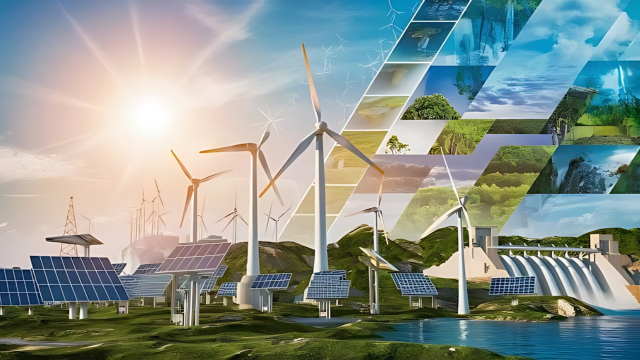
Renewable energy sources are those that can be replenished naturally in a short period of time. These include solar power, wind energy, hydroelectric power, and biomass. Renewable sources are environmentally friendly as they produce little to no greenhouse gas emissions.
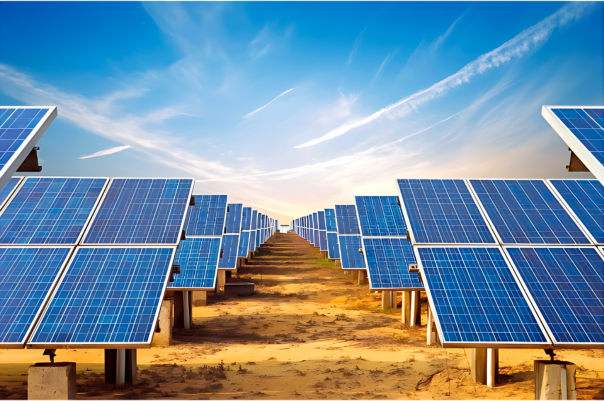
  • Solar Power: 
    • Captured using photovoltaic cells or solar thermal systems.
    • Clean and abundant.
    • Suitable for various applications, from residential to industrial power generation.
    solar panels
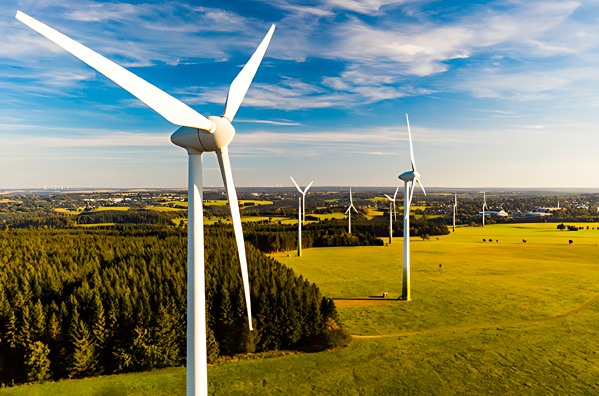
  • Wind Energy: 
    • Wind turbines convert kinetic energy from wind into electrical energy.
    • Wind farms can be located onshore or offshore.
    • Sustainable with minimal environmental impact.
    wind turbines
  • Hydroelectric Power: 
    Generated by water flowing in rivers or from dams through turbines.
    One of the oldest and most reliable renewable energy sources.
    Capable of producing large amounts of electricity.
  • Biomass: 
    Organic materials like plant and animal waste are converted into electrical energy.
    Processes include combustion or anaerobic digestion.
    Helps in waste management and reduces reliance on fossil fuels
Non-Renewable Sources:
Non-renewable energy sources are those that exist in finite quantities and cannot be replenished within a human timescale. These include fossil fuels (coal, oil, and natural gas) and nuclear power. Non-renewable sources have historically been the primary energy sources but are associated with environmental concerns.
  • Coal: Burning coal in power plants generates electricity but releases significant amounts of carbon dioxide and other pollutants. Coal mining also has adverse environmental impacts, such as habitat destruction and water pollution.
  • Oil: Oil is used in power generation and transportation. It is a versatile energy source but contributes to air pollution, oil spills, and greenhouse gas emissions.
  • Natural Gas: Natural gas burns cleaner than coal and oil, producing less carbon dioxide. However, it is still a fossil fuel, and its extraction and use can lead to methane emissions, a potent greenhouse gas.
  • Nuclear Power: Nuclear reactors use uranium to generate electricity through nuclear fission. It produces large amounts of energy with low greenhouse gas emissions, but concerns about radioactive waste and the potential for accidents remain.
Generation of Electrical Energy
Generation Methods:
Electrical energy can be generated through various methods, each utilizing different energy sources and technologies. The primary methods include thermal power plants, hydroelectric power plants, wind farms, and solar power systems.
  • Thermal Power Plants: These plants burn fossil fuels (coal, oil, natural gas) or use nuclear reactions to produce heat. The heat generates steam, which drives turbines connected to generators that produce electricity.
  • Hydroelectric Power Plants: Water from rivers or dams flows through turbines, generating electricity. Hydroelectric power is reliable and can provide large-scale electricity generation with minimal environmental impact.
  • Wind Farms: Wind turbines capture kinetic energy from the wind and convert it into electrical energy. Wind farms can be located onshore or offshore, providing a renewable energy source with low operational costs.
  • Solar Power Systems: Photovoltaic (PV) cells convert sunlight directly into electricity. Solar thermal systems use mirrors to concentrate sunlight, producing steam that drives turbines. Solar power is abundant and can be harnessed in various scales, from small residential systems to large solar farms.
Transmission and Distribution:
Once generated, electrical energy is transmitted through high-voltage power lines to substations. From substations, electricity is distributed to homes, businesses, and industries through lower-voltage distribution lines. The transmission and distribution system is essential for delivering electricity efficiently and reliably.