Electrical Circuits Difference between Series
Circuit and Parallel Circuit
Basic Components and Types of Circuits
Components:
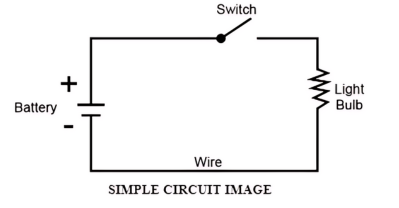
Electrical circuits consist of various components that allow
the flow of electric current. The basic components include:
Power Source: Provides the electrical energy for the
circuit (e.g., batteries, generators).
Conductors: Materials that allow the flow of electric
current (e.g., wires).
Load: Devices that consume electrical energy to perform
work (e.g., light bulbs, motors).
Switches: Control the flow of current by opening or
closing the circuit.
Resistors, Capacitors, and Inductors: Components that
control the flow and characteristics of electric current.
Types of Circuits:
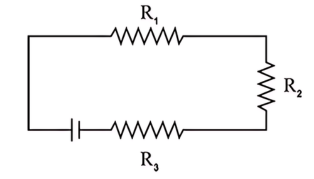
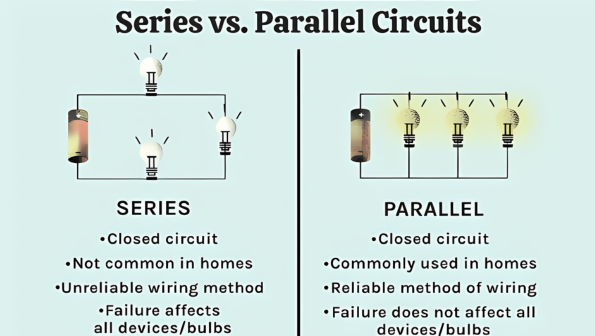
Series Circuits: Components are connected
end-to-end, so the same current flows through each
component. If one component fails, the entire circuit is
interrupted.
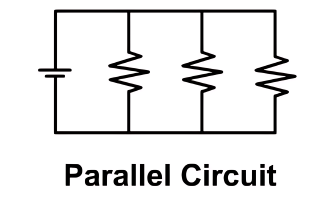
Parallel Circuits: Components are
connected across the same voltage source, so each
component operates independently. If one component fails,
the others continue to function.
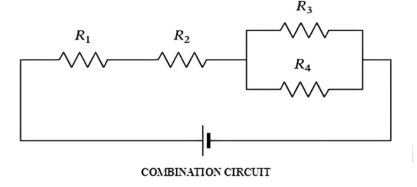
Combination Circuits: Contain both series
and parallel elements, offering more complex control over
the circuit behavior.
Differences between Simple Circuit and Parallel
Circuit